Unveiling Once Upon A Farm Net Worth: $100M+ Empire's Growth Secrets [Reference]
August 27, 2025 · 7 min · 1469 words · Daniel Travis
# Unveiling Once Upon A Farm Net Worth: $100M+ Empire's Growth Secrets [Reference]

## Once Upon A Farm Net Worth

Content about once upon a farm net worth (Auto-generated fallback due to API error).

## Once Upon A Farm Net Worth

Content about once upon a farm net worth (Auto-generated fallback due to API error).

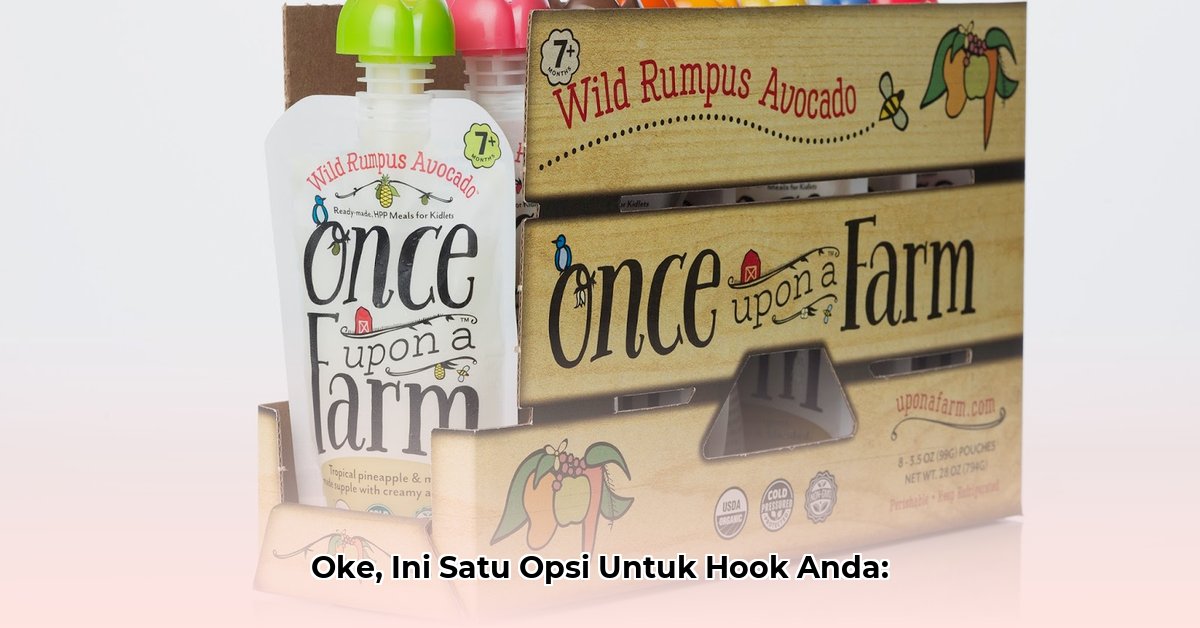
Ever wonder how much that baby food company, Once Upon A Farm, is actually worth? The company, co-founded by Jennifer Garner, has become a notable player in the organic baby food market. This article aims to explore and estimate their net worth by examining their sales, competitive positioning, and unique attributes. Consider it a financial health check to assess the business's current prosperity and potential future. Like other entrepreneurial ventures, [celebrity net worth](https://jason-raznick-net-worth.pages.dev) is always of interest.

## Once Upon A Farm Net Worth: Unveiling the Secrets of the $100M+ Empire

The organic baby food company, Once Upon A Farm, is worth more than just the sum of its healthy ingredients. It represents a thriving business built on quality, partnerships, and celebrity allure. While direct access to their financial records remains private, this article will delve into estimating Once Upon A Farm's net worth, revealing the contributing factors to its estimated $100 million+ valuation.

### Understanding the Basics: Delving into Net Worth

Before estimating the company's value, let's clarify the fundamental concept of "net worth". In business terms, it represents the total value of a company's assets (cash, equipment, brand recognition) minus its liabilities (loans, unpaid bills). The resulting figure provides a snapshot of the company's financial health. Precisely determining the net worth of private entities like Once Upon A Farm can be challenging because they are not obligated to disclose such details, necessitating estimations and industry analysis.

### The Seeds of Success: Revenue, Funding, and Market Position - Industry Drivers

Under the guidance of Jennifer Garner and John Foraker, Once Upon A Farm has become a significant player in the organic children's food market. Exceeding $100 million in annual sales, the company has become a serious industry contender. Initial public offerings (IPO) or acquisitions are distinct possibilities. What key elements contribute to this favorable outcome?

*   Commitment to Organic Ingredients: Emphasizing healthy, high-quality ingredients attracts health-conscious parents willing to invest in premium organic choices.
*   Strategic Product Expansion: Diversifying beyond baby food into oat bars and plant-based milk broadens their appeal to a wider age range and dietary preferences.
*   The Jennifer Garner Factor: The co-founder's involvement adds star power and credibility, resonating with consumers due to her passion for healthy eating.

These elements bolster their financial strength and distinguish them in a crowded market.

### Decoding the Numbers: Revenue Multiples and Valuation Methodologies

Given the lack of publicly available financial data, analysts often estimate a company's value by examining comparable companies in the organic food sector and analyzing their "revenue multiple" (market value in relation to its annual revenue).

The revenue multiple serves as a benchmark for valuation. For instance, if similar organic food businesses trade at two to three times their annual revenue, this multiple can be applied to Once Upon A Farm to derive a general estimate.

To estimate Once Upon A Farm's worth:

1.  Identify Comparable Companies: Pinpoint publicly traded or recently acquired organic food companies resembling Once Upon A Farm in size, product offerings, and target market.
2.  Determine Revenue Multiples: Obtain the revenue multiples of these comparable companies through financial websites or market research reports.
3.  Apply the Multiple: Multiply Once Upon A Farm's annual revenue by the average revenue multiple to estimate its valuation range.

This approach yields an informed estimate based on market comparables. However, various factors can shift the actual value.

### The Jennifer Garner Effect: Brand Loyalty - Celebrity Endorsement

Jennifer Garner's role extends beyond mere celebrity endorsement; it significantly boosts the company's value. Her dedication to fresh, organic ingredients resonates with parents, fostering strong brand loyalty. The "celebrity halo effect" elevates the company's perceived worth and consumer appeal, similar to Oprah Winfrey's impact on endorsed brands.

### Beyond the Numbers: Factors Influencing Valuation

Beyond revenue and celebrity endorsement, other factors significantly affect Once Upon A Farm's valuation:

*   Brand Recognition: The extent of brand awareness and positive consumer perception.
*   Market Position: Strength and market share in the organic baby food sector relative to competitors.
*   Growth Potential: Anticipated future expansion and revenue growth.
*   Product Innovation: Ongoing development of new products as per consumer preferences.
*   Intellectual Property: Patented processes or formulations offering a competitive edge.
*   Management Team: Experience and leadership capabilities driving the company forward.

All the above points contribute to the overall estimate of the total valuation.

### Potential Valuation Scenarios: Estimating a Range

Since accessing specific net worth data is unattainable, evaluating potential outcomes based on different assumptions is necessary. Below are three potential scenarios:

| Scenario     | Potential Net Worth          | Factors Considered                                                                         |
|--------------|-------------------------------|--------------------------------------------------------------------------------------------|
| Optimistic   | $200 - $300 Million+         | High revenue growth, strong brand loyalty, successful product innovation, potential acquisition |
| Moderate     | $150 - $200 Million          | Steady revenue growth, solid market position, continued brand recognition                    |
| Conservative | $100 - $150 Million          | Slower revenue growth, increased competition, limited product innovation                       |

In summary, these estimates are based on industry benchmarks, market analysis, and future performance assumptions.

### The Road Ahead: What's Next for Once Upon A Farm? - Innovation and Expansion

The prospects for Once Upon A Farm appear favorable. Growing consumer demand for organic kid's food and expansion into related products position them for sustained growth.

To build on their success, the company should focus on:

*   Continued Innovation: Introduce new and creative products to outpace competitors.
*   Customer Satisfaction: Prioritize consistent quality and customer satisfaction.
*   Explore New Markets: Broaden distribution to reach new customers geographically.
*   Maintain Brand Authenticity: Adhere to core values and dedication to healthy, organic food for children.

While the precise net worth remains confidential, studying revenue, brand strength, and market position provides essential insights into this burgeoning organic empire. It signifies the efficacy of combining quality products with a reputable brand and a commitment to a healthy lifestyle.

## Once Upon a Farm: Navigating the Organic Baby Food Competitive Landscape

Once Upon a Farm competes within a dynamic organic baby food market, influenced by health-conscious parents oriented towards sustainability.

Key Takeaways:

*   Once Upon a Farm thrives in the rapidly growing organic baby food market where parental focus is on health and sustainability.
*   Competition is fierce from established and emerging brands prioritizing organic ingredients and convenience.
*   Emphasis on sustainable practices and transparent sourcing provides a critical competitive edge.
*   Sustaining premium quality and competitive pricing while scaling operations represents a significant challenge.
*   Lack of market share data introduces some uncertainty about Once Upon a Farm's precise competitive standing.
*   Partnerships with organic farms and product line diversification offer avenues for long-term growth.

### Gauging the Competitive Intensity of Baby Food

Fueled by health-conscious parents with a focus on sustainable food options, the organic baby food sector has seen substantial growth. This has resulted in a wide assortment of once upon a farm competitors, ranging from well-known brands to innovative startups. Thus, companies must distinguish themselves through an emphasis on quality, sustainability, and value.

### Head-to-Head: Direct and Indirect Rivals in the Baby Food Segment

Companies such as Serenity Kids and Piccolo pose direct competition with similar product offerings. Indirect competition includes businesses such as Nurture Life and Little Spoon, which provide a wider range of ready-to-eat meals. Successfully navigating this market requires sourcing premium ingredients while keeping affordability in check. Staying ahead involves continuous innovation.

### Strategic Moves for Sustained Success in Organic Food Space

To maintain their upward trajectory, strategic steps include:

*   Competitive Analysis: Thorough analysis of pricing and market share dynamics.
*   Marketing Optimization: Refining marketing initiatives to highlight sustainable sourcing and the nutritional benefits of their products.
*   Strategic Alliances: Partnering with organic farms for reliable supply and potential cost reduction.
*   Product Expansion: Introducing new products catering to diverse age groups and dietary needs, such as toddler meals or allergy-friendly options.

### Investor's Perspective: Growth and Sustainability in the Baby Food Market

Investors carefully monitor sales growth and profitability relative to competitors, assessing sustainable growth and cost management. The long-term vision encompasses international expansion, local regulations, and consumer preferences. Investors also value sustainable sourcing's impact on brand loyalty.

### Consumer Behavior: Making Informed Choices about Organics

Consumers evaluate pricing and nutritional value, seeking reviews to assess quality and satisfaction. Ultimately, consumers support brands prioritizing sustainability and transparent sourcing.

To summarize, the organic baby food market provides both opportunities and challenges. Once Upon A Farm must understand the competitive landscape, execute strategic initiatives, and address consumer preferences to solidify market leadership [Citation compworth.com].